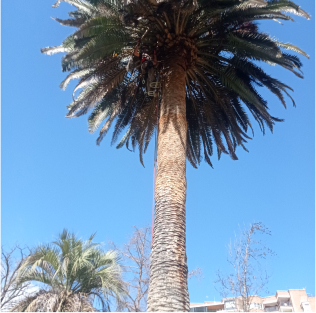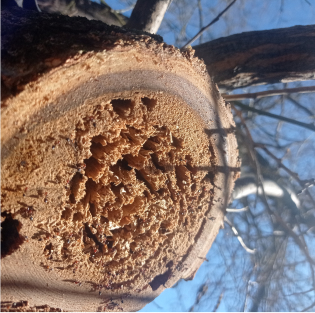
We plan and carry out tree and palm transplants with the aim of reducing stress, protecting the root system and giving each specimen the best chance of establishing successfully.
We assess the original location and the new planting site, including soil characteristics, drainage, available rooting space, access and environmental conditions.
Where feasible, the tree is prepared in advance to minimise stress and root damage. This may include staged root preparation and planning the extraction method.
After replanting, we monitor establishment and specify irrigation, anchoring, mulching and other aftercare as required.
Prior assessment and appropriate preparation improve the chances of successful establishment at the new site.
A carefully planned process can preserve valuable trees and palm trees when relocation is technically viable.
Appropriate monitoring and aftercare help the tree stabilise and rebuild a functional root system.
We inspect the tree, the original site and the proposed new location to assess feasibility and establishment potential.
We plan root-ball dimensions, root preparation, access, lifting, transport and the receiving pit.
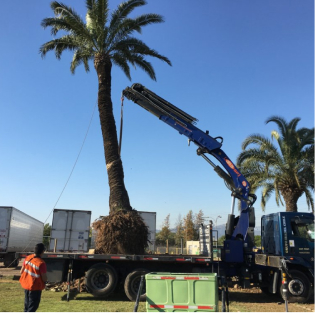
We use suitable lifting and transport equipment to move the specimen while protecting the root ball and crown.
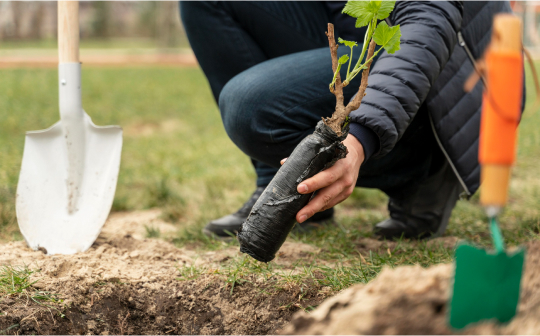
We replant at the correct level, stabilise the specimen where required and provide a follow-up care plan.
Our aim is to provide every transplanted tree or palm with the most suitable conditions for recovery and establishment.
We combine specialist knowledge, appropriate equipment and careful planning at every stage, with clear advice tailored to your site and objectives.
In some cases, yes. Feasibility depends on species, size, condition, root system, access, preparation time and the receiving site. We assess these factors before recommending a transplant.
Establishment time depends on species, size, root loss, climate and aftercare. Larger specimens may require several growing seasons of monitoring and irrigation.
Many palm species can be transplanted successfully when the specimen, timing, root ball, crown preparation and aftercare are correctly managed.
The best timing depends on the species and local climate. Deciduous trees are often moved during dormancy, while many palms respond better when soil temperatures support active root growth.
Correct irrigation, monitoring, suitable anchoring, mulching and protection of the rooting area are essential. Unnecessary crown pruning should be avoided.
In some cases, yes. Feasibility depends on species, size, condition, root system, access, preparation time and the receiving site. We assess these factors before recommending a transplant.
Establishment time depends on species, size, root loss, climate and aftercare. Larger specimens may require several growing seasons of monitoring and irrigation.
Many palm species can be transplanted successfully when the specimen, timing, root ball, crown preparation and aftercare are correctly managed.
The best timing depends on the species and local climate. Deciduous trees are often moved during dormancy, while many palms respond better when soil temperatures support active root growth.
Correct irrigation, monitoring, suitable anchoring, mulching and protection of the rooting area are essential. Unnecessary crown pruning should be avoided.