A sustainable garden enhances your home while helping to protect the environment. Here are some detailed steps for designing a sustainable garden:
1. Choose native plants: Opt for plants native to your region. They are adapted to local conditions and require less water and maintenance. Native plants are also more resistant to local pests and diseases, reducing the need for pesticides and other chemical treatments.
2. Install an efficient irrigation system: Use drip irrigation or sprinklers with timers to reduce water consumption. These systems allow precise, efficient watering, delivering water directly to plant roots. Water early in the morning or in the evening to minimise evaporation.
3. Make your own compost: Use organic household waste, such as kitchen scraps and fallen leaves, to make compost. This natural fertiliser enriches your garden soil and reduces the need for chemical fertilisers. Compost improves soil structure.
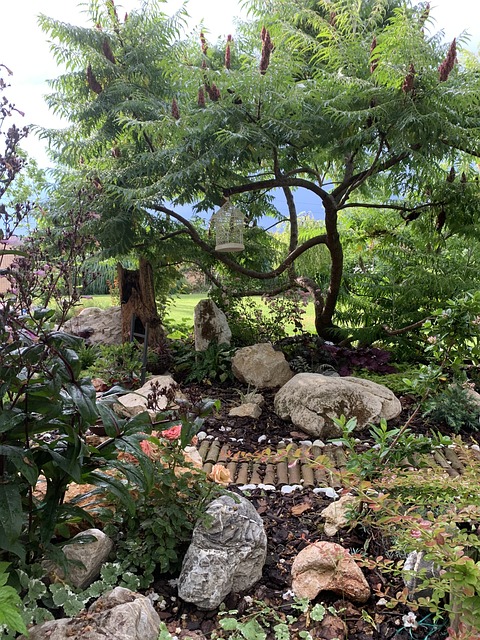
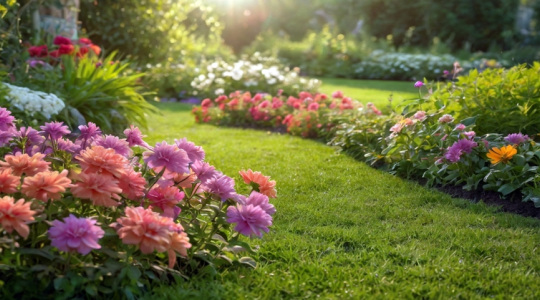
4. Design for diversity: Include a variety of plants, trees and shrubs to create a balanced ecosystem. Plant diversity helps attract pollinators such as bees and butterflies and supports natural pest control by attracting their predators.
5. Use sustainable materials: When planning paths or seating areas, choose recycled or sustainably sourced materials, such as certified timber, local stone or reclaimed materials. Avoid single-use plastic products and look for more durable, environmentally friendly alternatives.
6. Encourage biodiversity: Create habitats for local wildlife, including birds, insects and small mammals. You can install bird boxes, insect hotels and small water features to attract and support wildlife in your garden.
By applying these principles, you can create a garden that is beautiful, functional and environmentally responsible, contributing to a greener, more sustainable future. A sustainable garden is a haven for biodiversity and a source of wellbeing for you and your family.