Transforming gardens through palm pruning: tips and recommendations
Gardens with palms can become true oases of freshness and style. This article offers practical advice and recommendations for successful landscaping with palms. From controlled removal of old or diseased specimens to pruning at height and appropriate transplanting, discover how to transform your outdoor space safely and attractively with ARPA’s support.
The importance of palm removal and landscaping
Removal is an important part of garden management, allowing deteriorated palms or those that no longer fit the intended design to be taken out. Selective removal helps revitalise the surroundings and promote healthy palm landscaping. At ARPA, we understand that removal using appropriate techniques can be the first step towards renewing your garden and creating a harmonious setting.
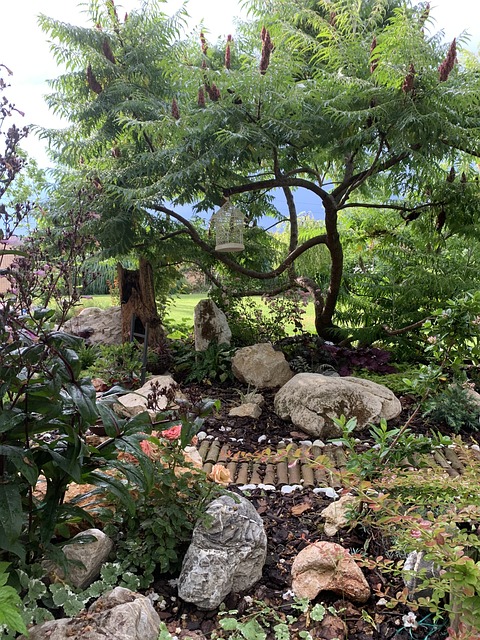
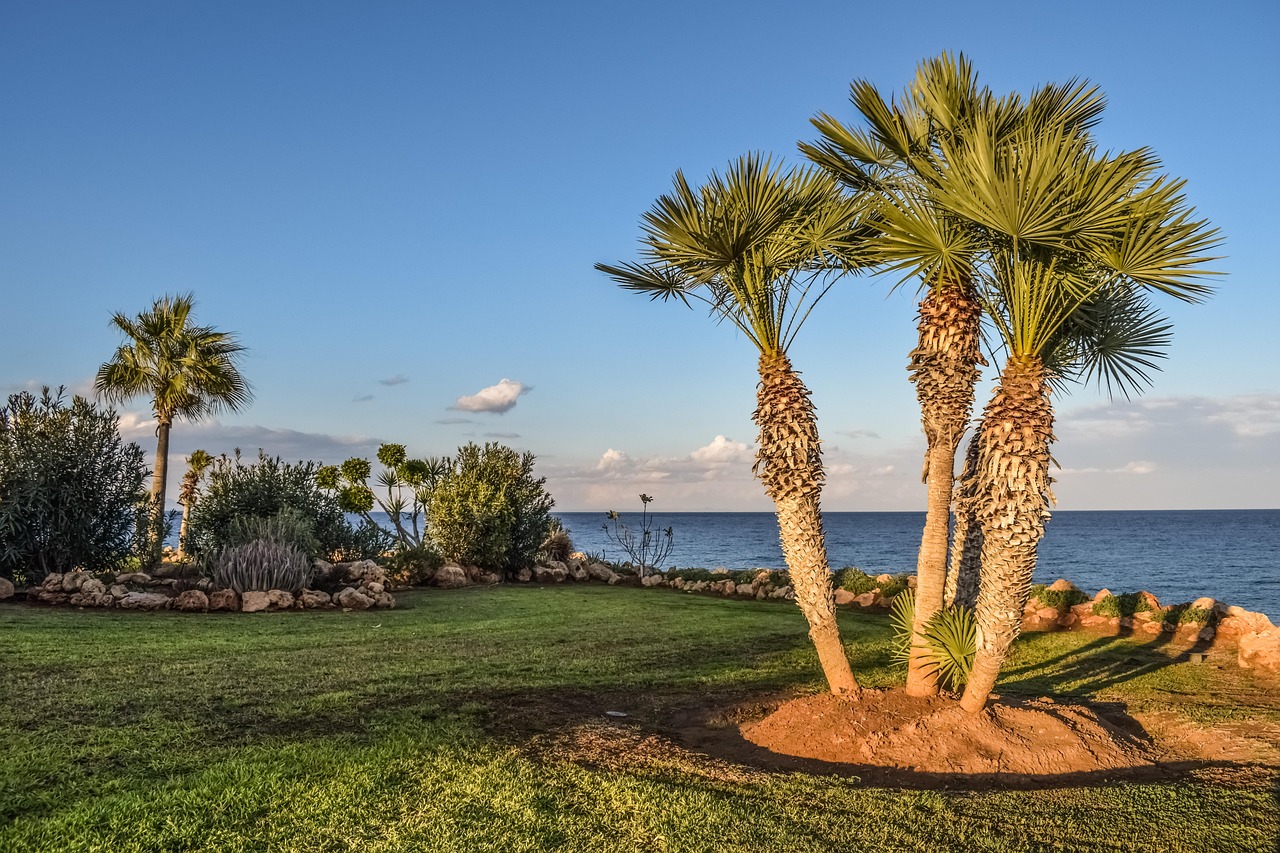
Landscaping with palms adds elegance and a tropical, relaxing atmosphere. Careful planning can make palms the focal point of a garden, combining them with other plants and structures to achieve a visual and functional balance.
Pruning palms at height: techniques and recommendations
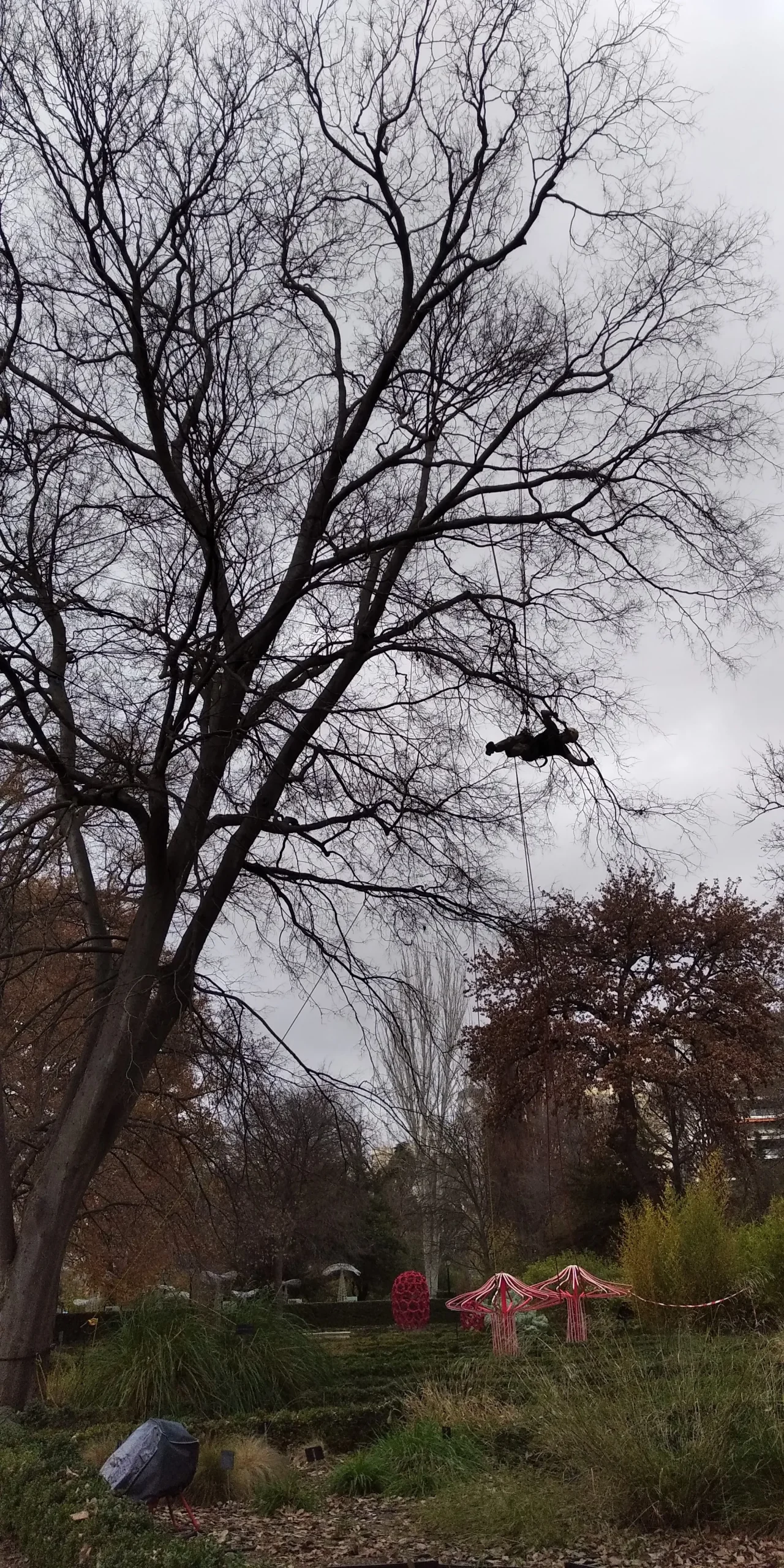
Pruning palms at height is a specialist task requiring experience and suitable tools. Understanding the palm’s structure is important so that only damaged parts or those preventing appropriate growth are removed.
Key recommendations include:
- Safety: Use protective equipment and, where needed, call on professionals to prune palms safely at height.
- Suitable tools: Choose tools designed for work at height and make sure they are properly sharpened.
- Frequency: Prune periodically to maintain the palm’s health and appearance, but avoid excessive cutting, which can affect its growth.
For more information about our pruning services, visit our services section.
Transplanting palms: methods and care
Transplanting allows these majestic specimens to be relocated to improve a garden’s layout or address space constraints. The process involves several important considerations:
- Timing a palm transplant: Choose the right time of year, generally during active growth, to minimise stress on the plant.
- Transplanting large palms: Larger specimens require careful planning and specialist equipment to protect both the palm and the people carrying out the work.
- Transplanting mature palms: Aftercare should include controlled watering and gradual adaptation to the new location.
- Transplanting small palms and pindo palms: These cases require less intensive techniques, but the same attention to the growing medium, moisture and light exposure.
To learn more about transplanting palms safely, we recommend reading other related articles on our blog.
Final tips for an outstanding garden
Creating an outstanding garden with palms involves coordinating several techniques:
- Combine removal, pruning and transplanting: Together, these processes help keep palms healthy and well adapted to their surroundings.
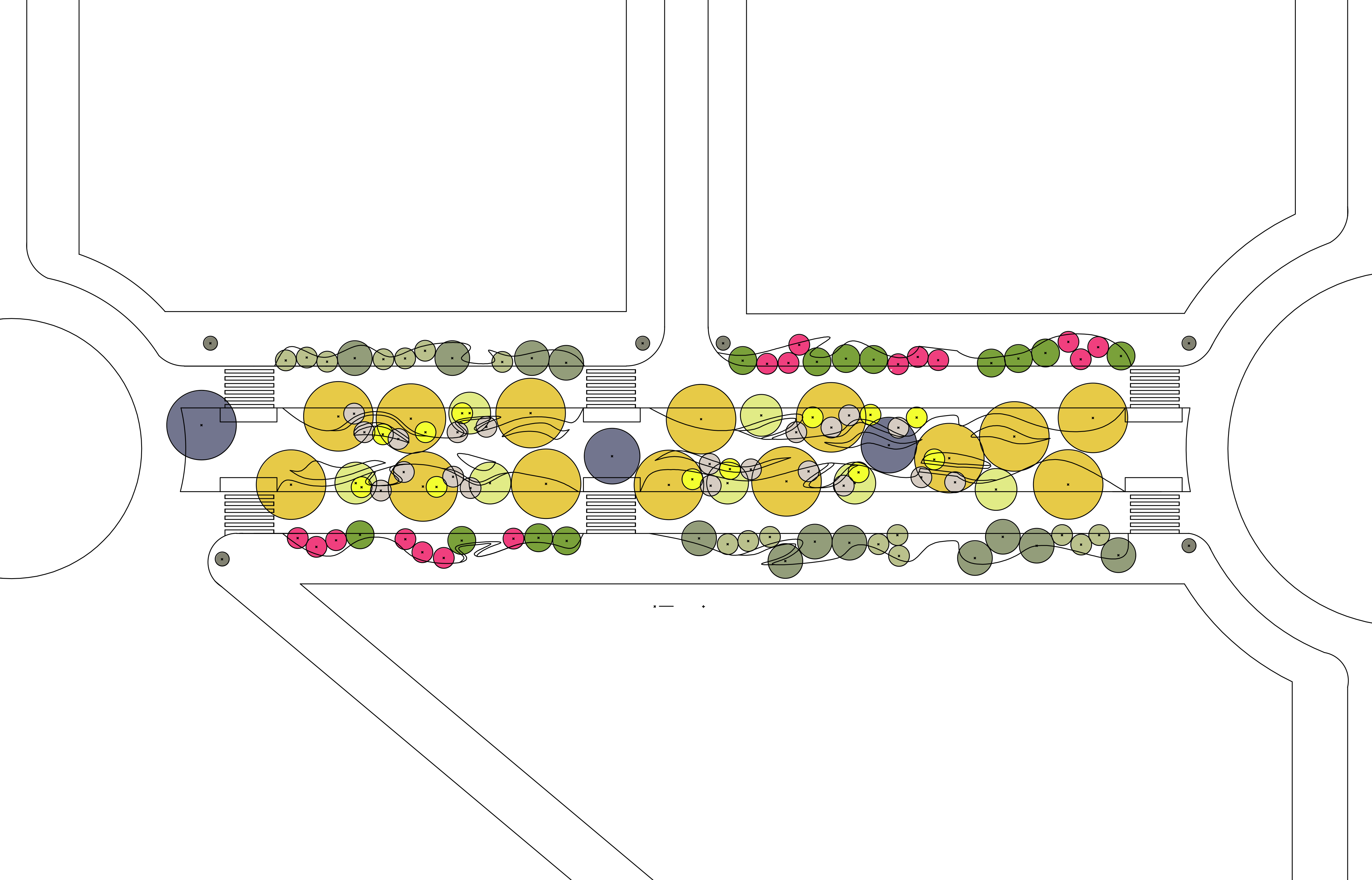
- Plan the landscape: Consider the positioning of palms and other plants to achieve a harmonious result.
- Maintain the garden regularly: A preventive maintenance programme helps avoid future problems and prolong the life of your garden’s palms.
Remember that ARPA offers professional advice to help keep your garden looking its best and remaining safe.
Frequently asked questions about palm removal, pruning and transplanting
When should a palm be removed?
Removal is recommended when a palm has irreparable damage or disease, or when the space needs renewing for an improved landscape. Professionals should assess the situation and determine the best time to intervene.
Which techniques are recommended for pruning at height?
Pruning at height requires specialist tools and, in many cases, expert assistance. Removing only damaged fronds is essential to avoid stressing the palm and to support balanced growth.