Trees in Landscape Design: Species and Atmosphere
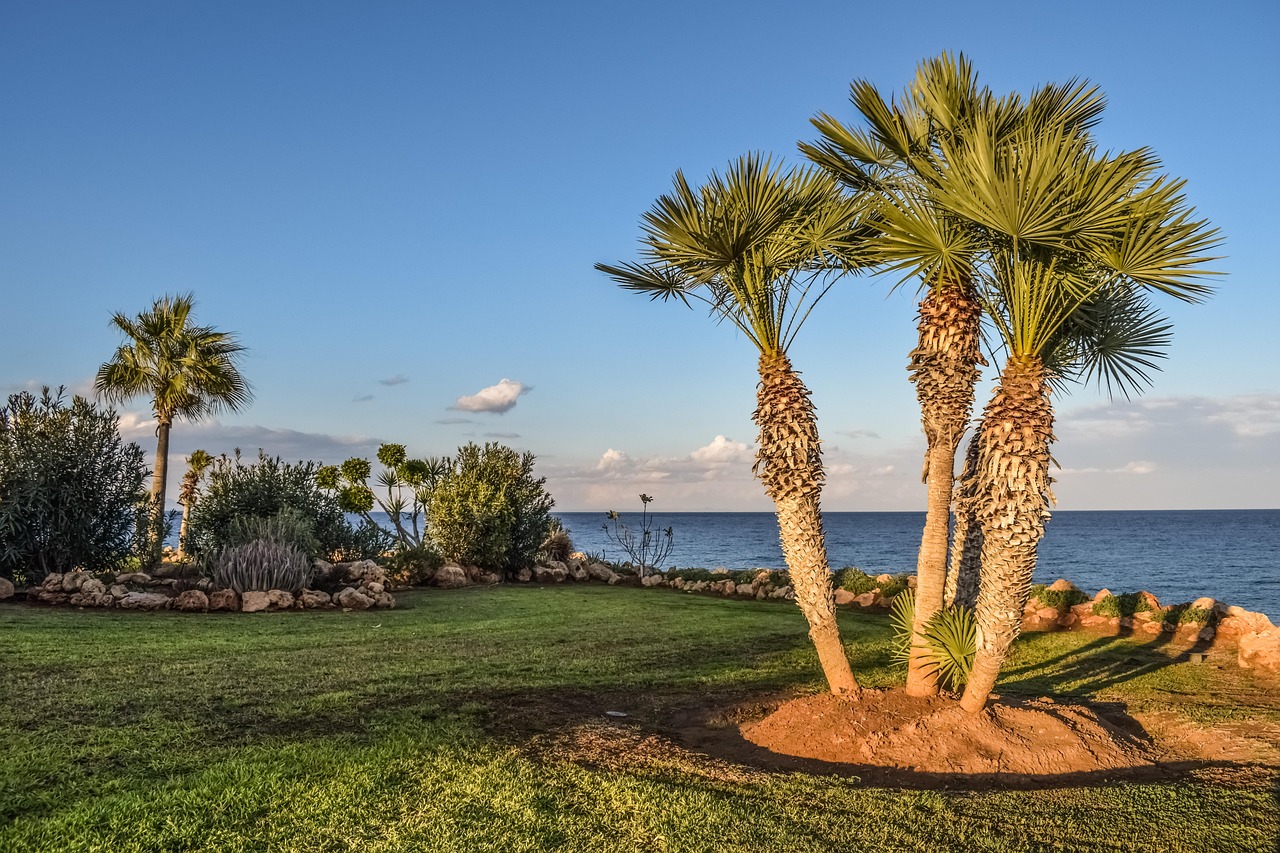
Trees play a fundamental role in landscape design. They enhance spaces, provide shade and oxygen, and contribute to biodiversity. In this article, we explore some of the best species for landscaping and the atmosphere they bring to different settings.
The importance of trees in landscape design
Trees transform outdoor spaces, improving their visual appeal and providing environmental benefits. Whether in private gardens, parks or urban spaces, choosing suitable species can make a real difference to the landscape’s function and appearance.
Choosing species: landscape trees for different needs
The right choice of trees depends on the effect you want to achieve. Here are some popular options:
Shade trees for cool, pleasant spaces
If you want to reduce temperatures and create a more comfortable setting, species such as London plane (Platanus hispanica) or English oak (Quercus robur) are excellent options.
Ornamental species to enhance the surroundings
Trees with striking flowers, such as jacaranda (Jacaranda mimosifolia) or Japanese cherry (Prunus serrulata), bring colour and elegance to any landscape.
Fruit trees: practical benefits and beauty
Fruit trees such as orange (Citrus sinensis) or apple (Malus domestica) combine beauty with the opportunity to harvest fresh fruit.
The atmosphere and benefits trees bring to a landscape
The impact of trees goes beyond their appearance, influencing the quality of life of those who enjoy these spaces.
Wellbeing and thermal comfort
Trees lower temperatures, filter pollution and create a healthier, cooler environment.
Appearance and visual harmony
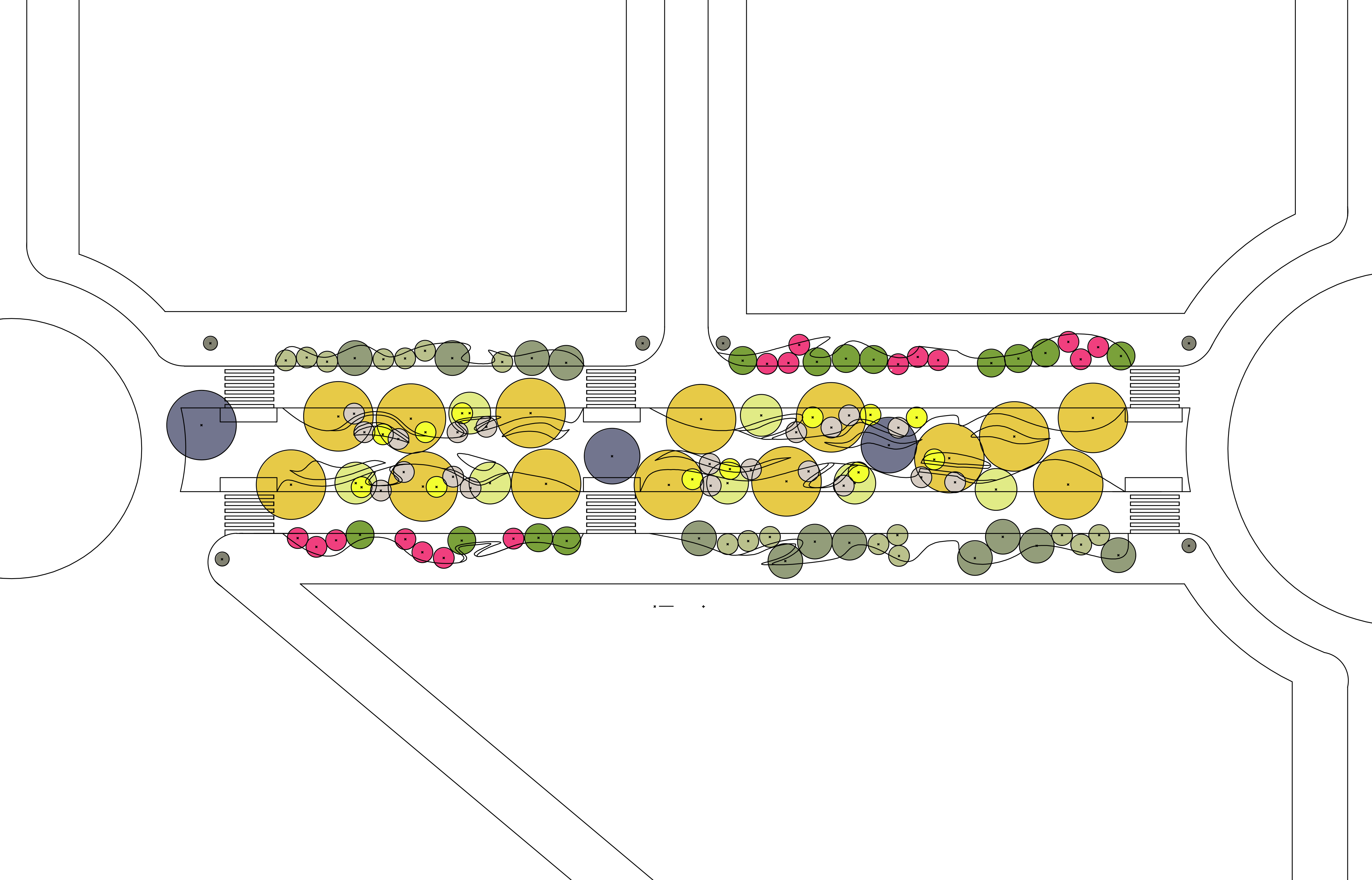
They help organise and enhance spaces, providing a natural, balanced structure.
Ecological benefits and sustainability
They improve air quality, reduce soil erosion and encourage biodiversity, supporting more sustainable ecosystems.
Tips for maintaining landscape trees
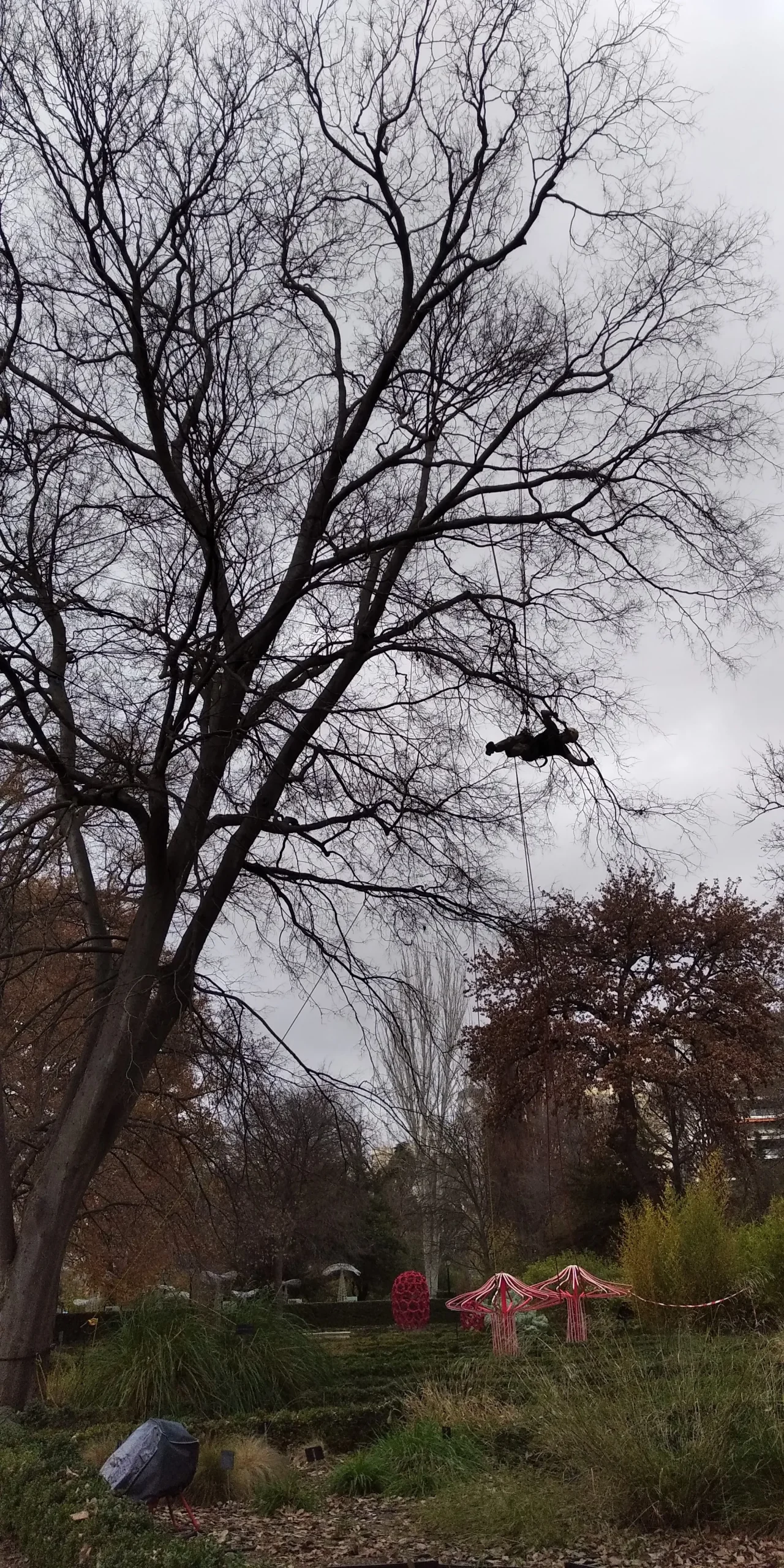
Good maintenance is essential for trees to fulfil their role in a landscape.
Watering and nutrition
Each species has specific water and nutrient requirements. Regular watering is advisable, particularly during the first few years.
Pruning and pest control
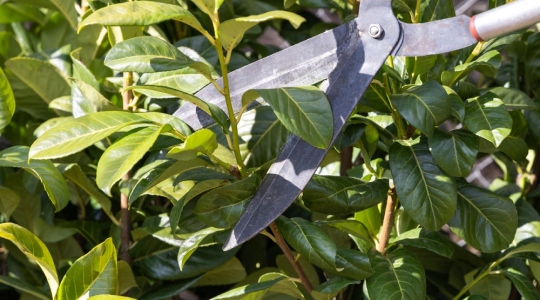
Appropriate pruning improves tree structure and helps prevent disease. Pest control also prevents damage and supports healthy development.
Adapting care to each season
Consider each tree’s needs throughout the year, adjusting watering and maintenance to support optimal growth.
Conclusion: the key to successful landscape design
Choosing the right landscape trees enhances spaces while improving comfort and environmental quality. At ARPA, we specialise in arboriculture and landscape design. Contact us to transform your garden or outdoor space with the most suitable species.