Natural landscaping is a growing approach that integrates elements of nature into gardens and outdoor spaces harmoniously and with respect for the environment. It aims to create landscapes that are both beautiful and sustainable, using practices that support biodiversity, water efficiency and the conservation of natural resources. This article explores the basic principles of natural landscaping, its key elements and current trends.
What is natural landscaping?
Natural landscaping, also known as ecological landscaping, focuses on designing outdoor spaces that imitate or take inspiration from natural ecosystems. Rather than imposing an artificial design, it works with nature, using native plants and natural resources to create a balanced, functional setting. This approach suits residential gardens and commercial projects alike, encouraging biodiversity and reducing environmental impact.
Natural landscape design: key elements
Natural landscape design follows several principles that support its long-term sustainability and beauty. Key elements include:
Using local species
Native plants are central to natural landscaping. Adapted to the local climate, these species require less care, such as watering and fertilisation, reducing environmental impact. Local plants also attract native wildlife, contributing to biodiversity.
Sustainable landscaping and water efficiency
Natural landscaping also emphasises efficient water use. Techniques such as rainwater harvesting and efficient irrigation systems minimise water waste. Drought-tolerant plants further reduce the need for constant watering.
Trends in natural landscaping
Natural landscaping has evolved in recent years, embracing new trends that promote sustainability and a connection with nature. Key trends include:
The use of local species
Native species are increasingly popular in modern landscaping. They are more resilient to local climatic conditions and play an important role in conserving the ecosystem.
Sustainable landscaping and efficient water use
Concerns about climate change and water scarcity have encouraged wider adoption of sustainable landscaping techniques. These include choosing plants that need less water, using permeable ground materials and installing smart irrigation systems.
Benefits of natural landscaping
Natural landscaping improves the appearance of a garden or outdoor space while offering numerous benefits for property owners and the environment.
Beauty and a connection with nature
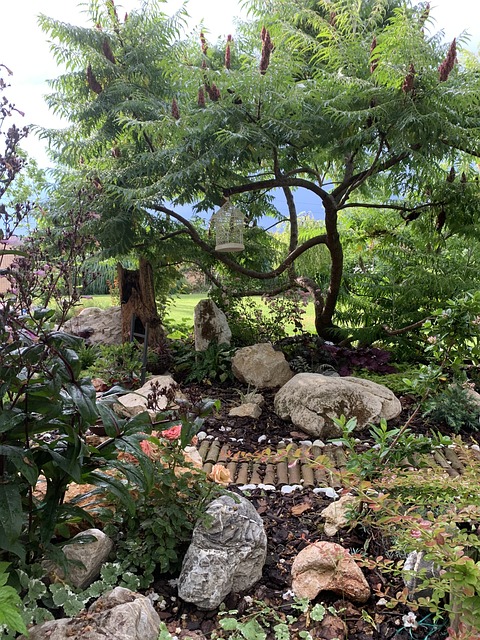
One of the main advantages of natural landscaping is that it creates visually appealing spaces that invite relaxation and reflection. Incorporating natural elements such as rocks, wood and native plants gives gardens a peaceful atmosphere and a strong connection with nature.
Environmental benefits
From an ecological perspective, natural landscaping supports biodiversity, promotes soil health and helps conserve water. Choosing local plants and efficient irrigation techniques reduces environmental impact and supports the resilience of the local ecosystem.
Conclusion: a landscape that respects nature
Natural landscaping is more than an aesthetic trend: it is a philosophy that seeks harmony between human surroundings and the natural environment. By incorporating sustainability, water efficiency and biodiversity, we can create landscapes that are beautiful and environmentally responsible. With the right approach, any space can become an ecological haven that respects and celebrates nature.