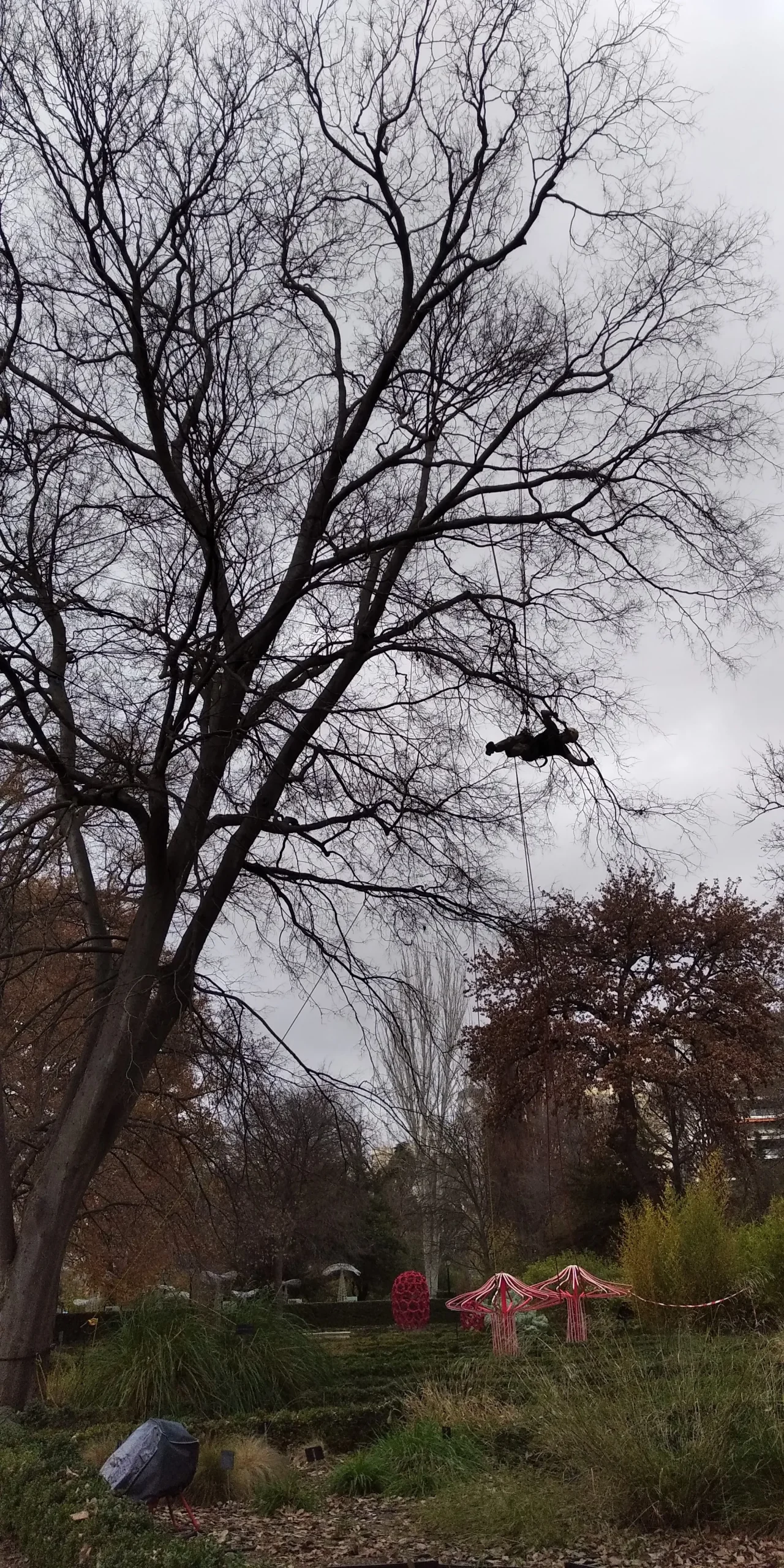
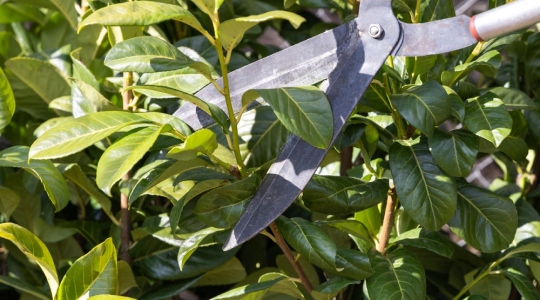
Pruning is essential to maintaining the health and appearance of your trees and palms. Here are some detailed tips for safe, efficient pruning:
- Use the right tools: Make sure your pruning tools are clean and sharp. Secateurs, hand saws and telescopic pole pruners are essential for different types of branches. Well-maintained tools make cleaner cuts and reduce the risk of damaging the tree.
- Choose the right time: Most trees benefit from pruning during their dormant period, usually in winter. This reduces stress on the tree and minimises sap loss. However, palms and some tropical trees can be pruned at any time of year, depending on their specific needs.
- Remove dead or diseased branches: Identify and remove branches that are dead, diseased or damaged. This improves the tree’s appearance and helps prevent the spread of diseases and pests. Damaged branches can provide entry points for pathogens, making their removal important.
- Make correct cuts: Make clean, precise cuts just outside the branch collar—the thickened area where the branch joins the trunk. This supports proper wound closure and reduces the risk of infection. Avoid leaving stubs, which can become entry points for diseases and pests.
- Do not over-prune: Avoid removing more than 25% of a tree’s foliage in a single pruning session. Removing too many branches can stress the tree, reduce its ability to photosynthesise and affect its growth. Light, regular pruning is preferable to occasional severe pruning.
- Consider the tree’s structure: Aim to improve the tree’s structure when pruning. Remove crossing or competing branches to allow a balanced distribution of light and air, supporting healthier, more vigorous growth.
Following these tips can help make pruning your trees and palms effective and safe, promoting their health and longevity. A well-pruned tree is more resistant to diseases and pests and has a more attractive, tidy appearance.